What Benefits Can Crown Reduction Bring to a Heavily Shaded Garden?
Mature trees can add character, structure and natural beauty to a garden. However, when a crown becomes excessively large or dense, it may prevent daylight from reaching lawns, borders, patios and windows.
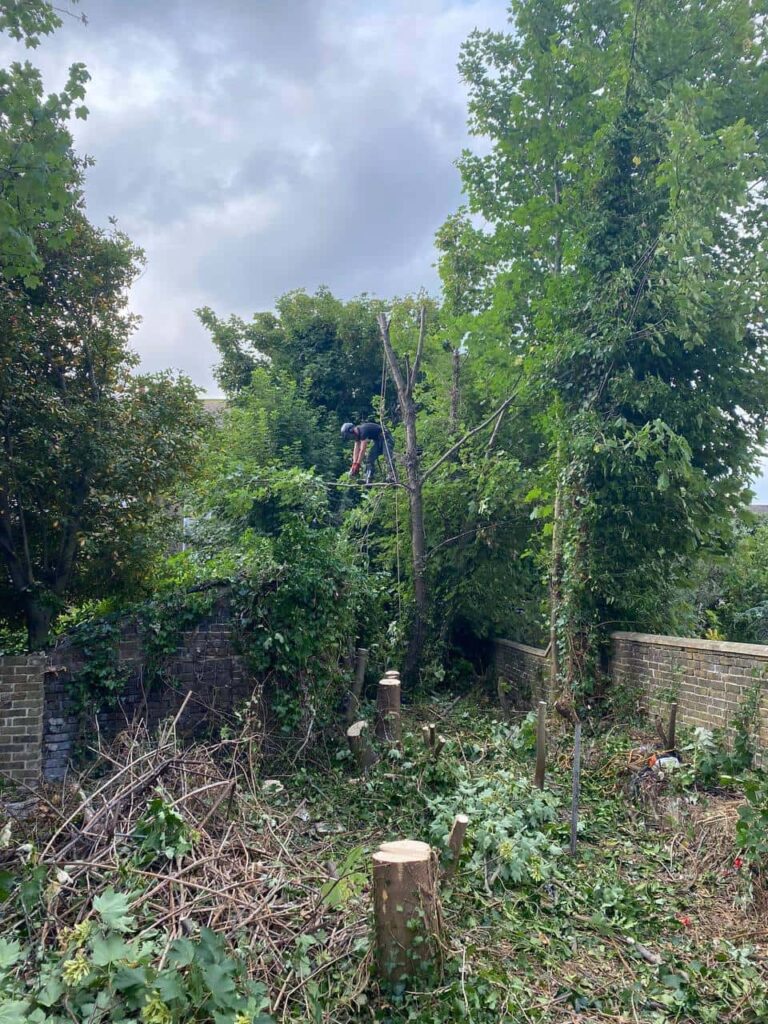
For gardens in Wymondham, Norfolk, professional crown reduction can provide a balanced way to manage an overgrown tree without removing it unnecessarily. The work involves carefully shortening selected branches to reduce the crown’s height, spread or both while retaining a natural shape.
How Crown Reduction Can Improve a Shaded Garden
A well-executed crown reduction can allow more daylight around and beneath a tree, but it must be planned according to the species, condition and growth pattern of the tree. Removing too much growth can weaken the tree, spoil its appearance and encourage vigorous regrowth.
Allow More Daylight Into the Garden
One of the main reasons for reducing a large crown is to improve light levels. Shortening the outer branches can open more space around the tree and reduce the area covered by its canopy.
This may allow additional daylight to reach:
- lawns and planted borders
- patios and seating areas
- paths and garden buildings
- nearby windows
- areas beneath neighbouring plants
The improvement will depend on the tree’s position, the direction of the sun and the density of its foliage. A professional assessment can determine whether crown reduction is likely to produce a worthwhile result.
Support Lawns and Garden Plants
Persistent shade can make it difficult for grass and light-dependent plants to thrive. Lawns beneath an overgrown tree may become thin, patchy or prone to remaining damp, while shrubs and flowering plants can develop weak or uneven growth.
Reducing the crown may create better growing conditions by increasing available light and improving air movement. It cannot guarantee that every plant will recover, as soil conditions and root competition also play a part, but it can address one important cause of poor garden growth.
Make the Garden Feel More Open
A large canopy can dominate a smaller garden, particularly when branches extend across much of the available space. This can make the area feel enclosed even when the tree itself remains healthy.
Careful reduction can restore a more proportionate relationship between the tree and its surroundings. By drawing back overextended branches and refining the crown’s outline, the garden may feel lighter and more spacious without losing the privacy, greenery and seasonal interest provided by the tree.
Improve Clearance Around Garden Features
Overgrown branches can extend towards roofs, sheds, fences, paths and seating areas. They may also hang lower as their weight increases, limiting the usable space beneath the canopy.
Crown reduction can shorten these branches and improve clearance while preserving the tree’s overall form. This is particularly useful when the aim is to retain a mature tree while making the surrounding garden more practical.
Retain a Valuable Tree
Heavy shade does not always mean that a tree needs to be removed. Where the tree is healthy and suitable for its position, crown reduction may provide a less drastic way to manage its size.
Retaining the tree preserves many of its benefits, including visual character, habitat value and shelter. The objective is to create a more manageable canopy that works better with the garden rather than eliminating the tree altogether.
Create a More Balanced Crown
Trees sometimes become uneven because they grow towards available light or around nearby obstacles. An unbalanced crown can look overly dominant on one side and may place additional strain on long, extended limbs.
Selective reduction can improve the distribution of growth and produce a more balanced appearance. However, the work should follow the tree’s natural structure rather than forcing it into an artificial shape.
Is Crown Reduction Always the Best Option?
Crown reduction is not the correct treatment for every shaded garden. In some cases, crown thinning may improve light penetration by selectively removing branches throughout the canopy. Crown lifting may be more appropriate where low branches are restricting space beneath the tree.
The right approach depends on:
- the tree species and its response to pruning
- the health and structural condition of the tree
- the amount and location of unwanted shade
- the desired clearance
- the tree’s age and natural form
- how much foliage can safely be removed
A professional tree surgeon can assess these factors and recommend work that addresses the problem without placing unnecessary stress on the tree.
Why Professional Technique Matters
Crown reduction involves more than cutting branches back to an arbitrary height. Each cut should return to a suitable side branch capable of supporting healthy future growth. Poorly positioned cuts can leave stubs, create entry points for decay or cause dense clusters of weak regrowth.
Professional tree surgery also ensures that the reduction is proportionate. This helps the tree retain enough foliage for healthy growth while producing a natural, balanced result.
Conclusion
Crown reduction can bring valuable improvements to a heavily shaded garden by increasing daylight, supporting better growing conditions, improving clearance and making the space feel more open. It can also allow a mature tree to remain an attractive feature while reducing the impact of an oversized canopy.
The best results depend on careful assessment and selective pruning suited to the individual tree. If an overgrown tree is casting excessive shade across your garden in Wymondham, Norfolk, contact Wymondham Tree Surgeons to arrange a professional assessment and discuss whether crown reduction is the right solution.
Call us on: 01953 667 637
Click here to find out more about Wymondham Tree Surgeons
Click here to complete our contact form and see how we can help with your trees needs.